All of this is war
All of this is war
In the Middle East, children can distinguish bombs by the sound they make. What the war means for people in everyday life.Bombs exploding and houses collapsing. Heaps of rubble from which gray, dusty bodies are being recovered and tanks that have entered another city overnight. The number of deaths increases every day.
For over a year we have once again been watching wars in the Middle East. In purely geographical terms, they now cover such a large piece of earth that it is difficult to really imagine. If you add up the areas of the affected countries, the area extends over two thirds of the European Union.
We read about those who wage war. Israel, Iran, Hamas, Hezbollah, armed groups in the West Bank, the Houthis in Yemen, pro-Iranian militias in Iraq and Syria. Even in peacetime, the geopolitics of the region are so complex that they are difficult to understand in detail.
The wars, far away for us, are difficult to understand, and perhaps we have become too used to the fact that there is war in the Middle East. The pictures of the rubble and the dead, they all look similar at some point.
As a journalist, I have often asked myself over the past year how we can do justice to the sheer volume of everything that is happening in our reports. I always feel like I'm failing because of reality. So much that gets lost in the daily brutality that rarely finds space in the news that journalists tell and readers click on. So much that achieves little reach on social media.
Every day back to the rubble mountain
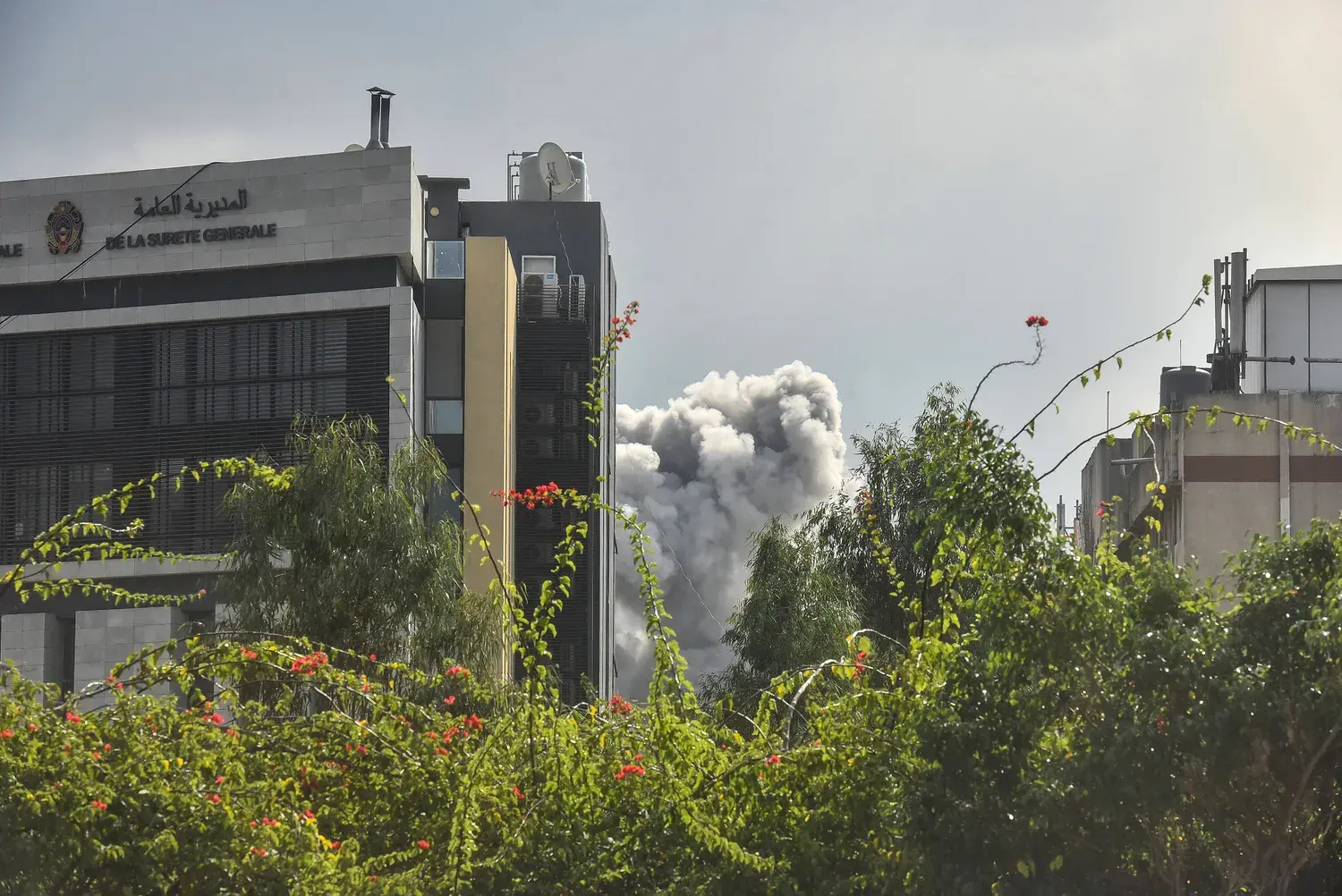
The large-scale war that people had been fearing for a year broke out in Lebanon at the end of September. Since then, reporters have been racing from one impact site to the next, documenting and photographing, five dead here , eighteen dead there , dozens injured, including small children.
But war is not just about the dead. War is people like the friendly pensioner who lives right next to a house in Beirut that is now in ruins. The reporters have long been taking photos at new impact sites, holding cameras and microphones in front of the faces of shocked relatives. But the Lord is standing there again on this day, a week after the Israeli attack, next to the mountain of rubble. He says he can't forget how the house he saw from his living room simply collapsed one evening. The windows of his apartment shattered due to the pressure wave - and in a state that is so dilapidated that it can barely provide its citizens with electricity for a few hours a day , the retired Lebanese now has to figure out how to finance new window panes.
War is people in Lebanon who, at the first autumn thunderstorm in early November, wonder how they can tell whether it is thunder, a bomb attack or a sonic boom from a military jet.
War are the two boys in northern Israel whose father says that after months of shelling between Hezbollah and the Israeli army, they can now distinguish the sound of attacks from that of counterattacks.
War is the Lebanese Rhéa, an academic in her early thirties who lives above Beirut. She can hardly sleep at night because she constantly hears how the southern suburbs are being bombed. Her father said to her: “Don’t worry. If you hear the bang, it didn't hit you."
War is the French teacher Asma, who has had to flee the fighting between Hamas and the Israeli military twice in the southern Gaza Strip. When she was able to go back to her apartment, she cried, she says in a voice message on WhatsApp. After more than a year of war, she begins to forget banal things. For example, what their city, Khan Younis, looked like before the war. Houses and streets are so devastated that she can't remember exactly where which shop used to be. Asma used to like to put on extensive make-up. But she no longer knows the details and technique of applying make-up. She says her sister recently said that after a year without electricity or water in the apartment, she had forgotten how to set the dishwasher.
War is the mother in Lebanon who notices her daughter suddenly wetting the bed again.
War is the hundred pelicans flying in a V formation over the rooftops of Beirut's southern suburbs on an early morning in late October, smoke still rising from the bombings the night before. A few people pause for a moment and raise their heads to the sky.